Farmers in the country are facing potential losses as maize prices at the start of the harvest season remain far below the cost of production, raising concerns over the sustainability of the country’s staple grain.
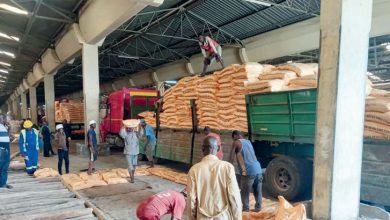
New maize is selling at an average of K35 000 per 50 kilogramme (kg) bag or K700 per kg in produce markets despite a recent rebound in prices after a slump recorded in mid-January.

In an interview on Wednensday, Farmers Union of Malawi (FUM) president Maness Nkhata said the prevailing prices are worrying, especially in the absence of a gazetted minimum farmgate price by the government.
She noted that current prices are far below the break-even level, which stands at about K1 060 per kg, translating to a minimum farmgate price of around K1 250 per kg for farmers to make at least a modest margin.
Said Nkhata: “This means farmers are selling at a loss. Continued low prices could discourage production in future seasons.”
She said farmers are closely monitoring the situation as input costs continue to rise sharply.
On her part, Grain Traders Association of Malawi president Grace Mijiga Mhango confirmed that maize is trading at K40 000 per bag, largely due to high moisture content in newly harvested grain.
She said drying the maize to acceptable levels pushes costs to between K50 000 and K55 000 per bag, making the current prices unfavourable for farmers.
However, the Consumers Association of Malawi has welcomed the lower prices, describing them as a relief to households.
Cama executive director John Kapito said affordable maize has eased pressure on vulnerable consumers, particularly women and children who often struggle to access the staple.
Headline inflation eased to 24.9 percent in January 2026 from 26 percent in December 2025, according to National Statistical Office, the improvement was largely driven by a decline in food.
Maize as part of the food component, accounts for about 53.7 percent in the consumer price index, an aggregate basket for computing inflation. This means that any movement in the price of maize either way has a bearing on the cost of food.